A Khata vs B Khata vs E-Khata
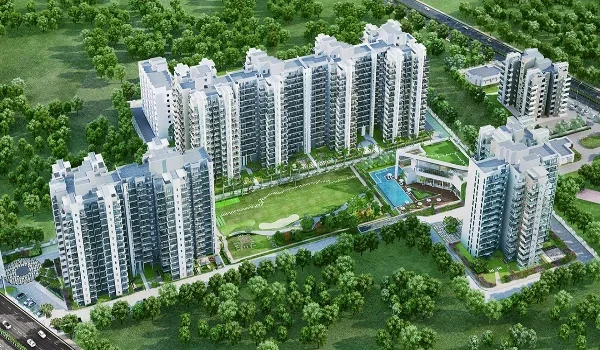
Featured Image of A Khata vs B Khata vs E-Khata


A Khata vs B Khata vs E-Khata is the first legal check before you book on Kanakapura Road. An A Khata means the property follows every land and building rule, so banks lend easily. A B Khata means the property pays tax but breaks some rules, so loans and resale get harder. An e-Khata is not a third type, because it is just the digital record of either one. Every sale deed in Bengaluru now needs a final e-Khata as well. So confirm the land is A Khata with a valid e-Khata before you pay anything.
A Khata vs B Khata vs E-Khata at a Glance


Point A Khata B Khata E-Khata
What it is Record for a fully compliant property Separate register for properties with rule breaks Digital form of the khata on the e-Aasthi portal
Plan approval and OC In place Missing, violated or pending Shows the A or B status
Home loan Easy with most banks Hard, as many banks refuse Needed by banks to process the loan
Registration Allowed with e-Khata Allowed with e-Khata, but risky Mandatory for every sale deed
Resale value Full market value Lower, with fewer buyers Speeds up the transfer
Upgrade path Already final Convert at 5% of guidance value Does not upgrade the status

The most common mistake buyers make is to treat an e-Khata as proof of a clean title. A B Khata property with an e-Khata stays a B Khata property, so always read the category.

What an A Khata Means for Your Flat


An A Khata confirms that the land use, the layout and the building plan all meet civic rules. The property sits in the main tax register, and the owner pays tax yearly under the SAS scheme. For an apartment, the A Khata for each flat arrives only after the occupancy certificate, or OC. At that stage, the developer splits the land khata into one khata per flat. Each flat then gets its own e-Property ID.

With an A Khata in hand, almost every bank will lend to you at its normal rate. You can also sell, gift or mortgage the flat later without any legal trouble. So buyers in Konanakunte, JP Nagar and across Kanakapura Road should insist on an A Khata project.

What a B Khata Means and Why Banks Hold Back


A B Khata covers properties that pay tax to the city but still break one or more rules. The usual reasons are farm land without conversion, an unapproved layout, or no sanctioned building plan. The city keeps this register mainly to collect tax. Around 7 lakh such properties sit within Greater Bengaluru limits.

Most large banks either refuse to lend on B Khata property or lend only on strict terms. Resale also slows down, because your future buyer will face the same loan problem you faced. Many plotted layouts beyond NICE Road hold B Khata sites. So check the status carefully when a cheap offer looks tempting.
E-Khata Is the Digital Record, Not a Third Category


The e-Khata system started in October 2024, and it now runs through the e-Aasthi portal. Since then, sub-registrar offices across Bengaluru register a sale only when the property has a valid final e-Khata. The Kaveri 2.0 system pulls the e-Khata details on its own. So any mismatch in name or area blocks your deed.
The portal shows two stages that you should learn to tell apart. A draft e-Khata only shows the details the system already holds about the property. A final e-Khata appears once an officer checks the owner's papers. Banks and registrars accept only this final version.

Since September 2025, the Greater Bengaluru Authority and its five city corporations have managed these records. Many older papers still say BBMP, which is normal. Konanakunte now falls under the Bengaluru South City Corporation.

B Khata to A Khata Conversion in 2026: Fees and Cut-Off


The state now lets eligible B Khata owners convert their property to A Khata through the GBA. The standard fee is 5% of the guidance value, along with a ₹500 application fee. A 100-day special drive had cut this fee to 2%, but that window closed on 23 August 2026.

Only B Khata records issued on or before 30 September 2024 can apply for this switch. Some sellers promise that a B Khata site will soon turn A Khata. In that case, ask for the application number and fee receipt.

Khata Checks for Pre-Launch and Under-Construction Projects


A new launch raises a different question, because your flat does not have its own khata yet. So you need to check the land record and the developer's plan for future flat khatas.

  • Ask for the land e-Khata or the land conversion order for the whole parcel.
  • Make sure the land khata is A Khata and stands in the name of the developer or landowner.
  • Read the joint development agreement if a separate landowner still holds the title.
  • Find the project on the Karnataka RERA portal before you sign any agreement.
  • Get a written promise that the developer will handle the khata split after the OC.
  • Ask which banks have approved the project, since banks check the title before they approve.

Of these six checks, the fifth one matters most for you. Without the khata split, the sub-registrar cannot register your flat in your name.

How This Applies to Prestige Falcon City Reserve


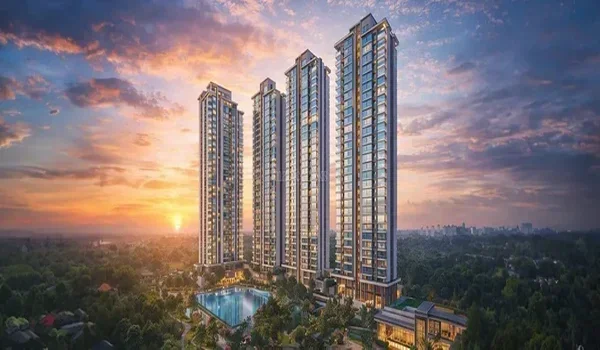
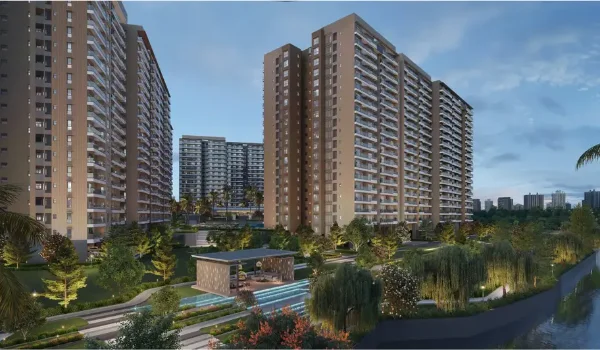
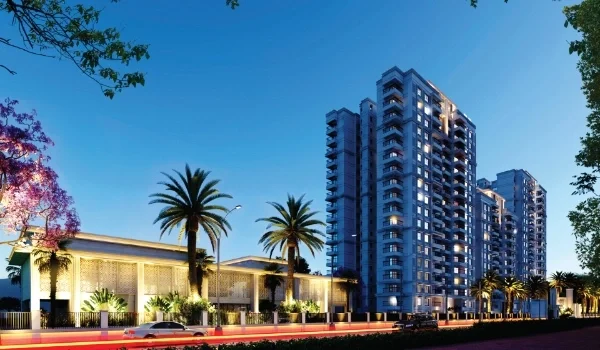
Prestige Falcon City Reserve is a new phase within the 41-acre Prestige Falcon City township in Konanakunte. The township's first phase got Karnataka RERA approval on 13 September 2017, and families live there today. This gives you a useful head start. You can look up the Phase 1 RERA entry and see the township's civic record yourself.

For the Reserve phase, the developer has applied to the BDA, BBMP and BMRDA. Its RERA registration is also in progress. While the project stays in its pre-launch window, run the six checks above with the sales team. Ask for the land khata copy and the approval letters from SBI, HDFC, ICICI or Axis Bank. Once the RERA number goes live, match it on the portal before you sign the agreement.

The location also works in your favour on the legal side. The project sits opposite Konanakunte Cross metro station on Kanakapura Main Road, inside an established city ward. Property tax, khata transfer and future resale are far simpler here than in fringe layouts outside city limits.

The Right Order to Follow Before You Pay


Start with the land record, move on to the approvals, and only then release any money. First, check the land e-Khata and its category, and then confirm the RERA status and the bank approvals. When all of these look clean, you can pay the expression of interest or booking amount with confidence. Keep every document and receipt in one folder, because you will need them again at registration.

FAQs


1. Which is better, A Khata or E-Khata?

The two do different jobs, so you need both of them together. An A Khata proves the property follows the rules, while an e-Khata is its digital copy. Look for an A Khata property that also carries a final e-Khata.

2. Can I get a home loan on a B Khata property in Bangalore?

Most large banks avoid B Khata property, and the few that lend usually set strict terms. Your safest route is an A Khata flat in a bank-approved project. It keeps both your loan and resale value secure.

3. Is e-Khata mandatory for property registration in Bangalore?

Yes, sub-registrar offices across Greater Bengaluru need a final e-Khata before they register any sale deed. Without it, the Kaveri 2.0 system will not let your registration move forward.

4. What is the B Khata to A Khata conversion fee in 2026?

The fee is 5% of the property's guidance value, along with a ₹500 application fee. The lower 2% rate applied only during a special drive that ended on 23 August 2026.

5. How do I check the khata for a new apartment on Kanakapura Road?

Ask the developer for the land e-Khata, the RERA number and the bank approval letters. Then get a written promise that the developer will split the land khata into flat-wise e-Khatas.

6. Is Prestige Falcon City Reserve A Khata or B Khata?

Each flat gets its own khata only after the occupancy certificate, as with any new apartment. Until then, check the land e-Khata, RERA status and bank approvals with the project team before you pay.

Prestige Falcon City Reserve Blog


Enquiry
Enquire Now