Joint Home Loan for Kanakapura Road Buyers

Featured Image of Joint Home Loan for Kanakapura Road Buyers


A joint home loan for Kanakapura Road buyers adds two incomes into one application. That can raise your loan eligibility by 70% or more, which brings a ₹2 crore home within reach. Each co-owner can also claim tax deductions on the same loan. In the old regime, each person gets up to ₹2 lakh on interest and ₹1.5 lakh on principal. So a couple can claim up to ₹7 lakh a year in total. The catch is simple. Each person must be both a co-borrower and a co-owner, and the deductions start only after possession.


Who Can Apply for a Joint Home Loan


Banks allow close family members to apply together. The common pairs are spouses, a parent and an adult child, or siblings who co-own the home. Friends and unmarried partners find it harder, since most lenders do not accept them as co-applicants.

Each co-applicant needs a steady income, a clean credit record and valid KYC. A credit score above 750 helps you get the best rate. SBI, for example, offers its lowest home loan rates to borrowers with scores of 800 and above. Women borrowers also get a small rate cut of about 0.05% at SBI.

How a Joint Loan Boosts Your Eligibility


Banks cap your total EMIs at a share of your net monthly income. Banks call this the fixed obligation to income ratio, or FOIR. Most lenders allow up to 50% for salaried buyers with good profiles.

Here is how pooling incomes changes the picture at 7.5% for 20 years:

Applicant Net monthly income EMI allowed at 50% Loan eligibility
Partner A alone ₹1.6 lakh ₹80,000 About ₹99 lakh
Partner B alone ₹1.2 lakh ₹60,000 About ₹74 lakh
Both together ₹2.8 lakh ₹1.4 lakh About ₹1.74 crore

Partner A alone cannot fund a ₹2 crore home. Together, the couple clears it with room to spare. Existing EMIs on cars or personal loans cut this number, so close small loans before you apply.

Tax Benefits for Each Co-Owner


The tax rules work per person, not per loan. So each co-owner gets a separate limit, based on their share of ownership and repayment.

Deduction Limit per co-owner Couple total Regime
Interest on a self-occupied home ₹2 lakh ₹4 lakh Old regime only
Principal repayment ₹1.5 lakh (within the 80C cap) ₹3 lakh Old regime only
Stamp duty and registration Within the same 80C cap Shared Old regime only
Interest on a let-out home Full interest, no cap Full Both regimes

From 1 April 2026, the Income-tax Act, 2025 replaced the 1961 law. The old Section 24(b) interest deduction now sits under Section 22. The 80C principal deduction now sits under Section 123. The limits stay the same.

Let us see what this means in rupees. Take a ₹1.5 crore loan at 7.5% for 20 years. In the first full year, you pay about ₹11.1 lakh as interest and ₹3.4 lakh as principal. A single owner in the 30% slab can claim ₹3.5 lakh and save about ₹1.09 lakh in tax. Two co-owners in the same slab can claim ₹7 lakh and save about ₹2.18 lakh.

The Rules That Decide Who Can Claim


The tax department checks three things before it allows the claim.

  • Your name must appear on the loan as a co-borrower.
  • Your name must appear on the sale deed as a co-owner.
  • You must pay your share of the EMI from your own account.

If your parent is a co-borrower but not a co-owner, they cannot claim any deduction. So add both names to the sale deed at registration. Also keep the ownership split and the EMI split in the same ratio, for example 50:50 or 60:40.

The Under-Construction Catch


This point matters most for new launches on Kanakapura Road. You cannot claim principal or interest deductions until construction ends and you take possession.

Interest you pay during construction is not lost, though. You can claim it in five equal parts, starting from the year of possession. But these parts sit inside the same ₹2 lakh yearly cap. So plan your regime choice for the year of possession, not today.

One more tip helps couples. Each person picks their own tax regime. One partner can stay in the old regime for the deductions. The other can move to the new one.

Joint Loans and Prestige Falcon City Reserve


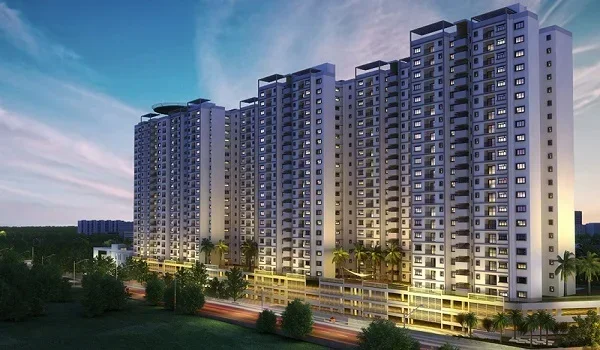
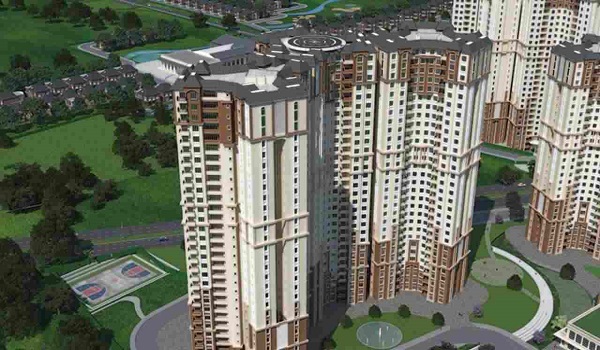
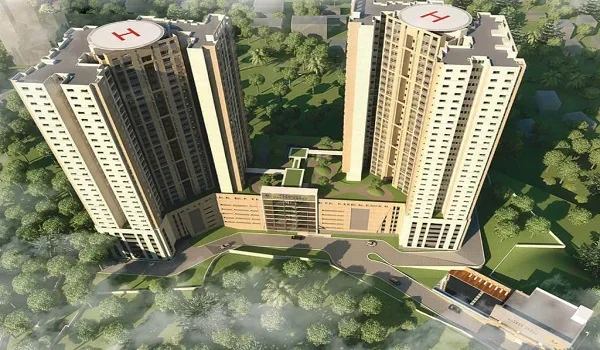
Prestige Falcon City Reserve in Konanakunte suits joint buyers well. 3 BHK homes start at ₹2 crore and 4 BHK homes at ₹3 crore. For loans above ₹75 lakh, banks fund up to 75% of the property value. So a ₹2 crore 3 BHK needs a loan of about ₹1.5 crore. That amount fits a couple far better than a single earner.

SBI, HDFC Bank, ICICI Bank and Axis Bank provide home loans for the project. The payment plan follows a 10:10:80 split, with 80% linked to construction stages. So your bank releases the loan in parts, and you pay only pre-EMI interest on the amount released. The developer plans possession for late 2031. Your full tax deductions on interest and principal begin from that year.

The location also supports two-income families. The project sits opposite Konanakunte Cross metro station on the Green Line. Offices like Brigade Software Park and IGS Kalyani Planet Tech Park lie within 4 to 6 km. Both partners get an easy commute, which matters when two careers run the household.

Pros and Cons of a Joint Home Loan


The gains are clear. You get a larger loan, double tax limits and a shared EMI. Some banks also offer a slightly lower rate when a woman is a co-borrower.

The risks deserve equal weight. Both borrowers stay fully liable for the whole loan, not just their share. A missed EMI hurts both credit scores. And if a relationship breaks down, exiting a joint loan takes time and legal steps. So discuss these points openly before you sign.

FAQs


1. Can both co-owners claim tax benefits on a joint home loan?

Yes, if both are co-borrowers and co-owners and both pay towards the EMI. In the old regime, each person can claim ₹2 lakh on interest and ₹1.5 lakh on principal.

2. Can a co-borrower who is not a co-owner claim tax benefits?

No. The tax law allows deductions only to owners of the property. A co-borrower without ownership can help you qualify for a larger loan, but cannot claim any deduction.

3. Do I get home loan tax benefits in the new tax regime?

Not for a self-occupied home. The new regime allows interest deduction only on a let-out property. Each co-owner can choose a regime separately, so compare both every year.

4. When can I claim tax benefits on an under-construction flat?

Only from the year you get possession. You can claim interest paid during construction in five equal parts from that year. These parts stay within the ₹2 lakh yearly limit.


5. How much salary do we need jointly for a ₹2 crore flat?

For a ₹1.5 crore loan at 7.5% over 20 years, the EMI is about ₹1.21 lakh. At a 50% income limit, you need a combined net income of about ₹2.42 lakh a month.

6. Which banks offer joint home loans for Prestige Falcon City Reserve?

SBI, HDFC Bank, ICICI Bank and Axis Bank offer home loans for the project. Each bank sets its own rate, fees and eligibility, so compare at least two offers.

Prestige Falcon City Reserve Blog


Enquiry
Enquire Now