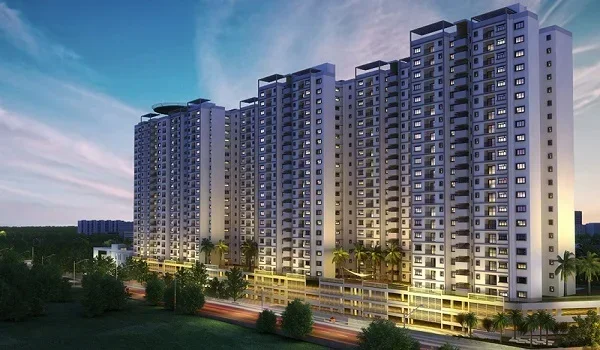
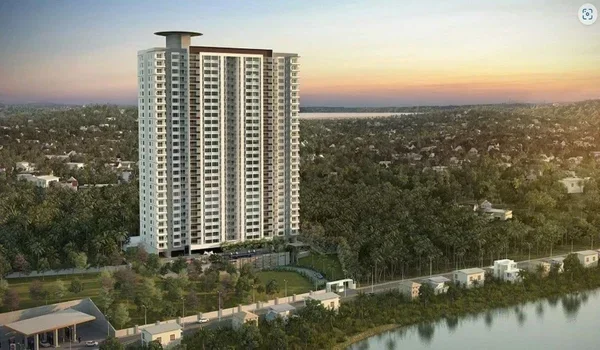
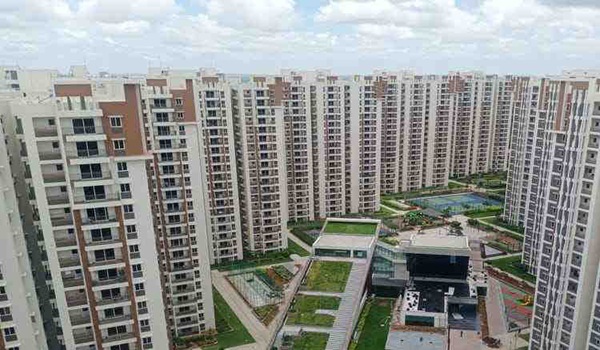
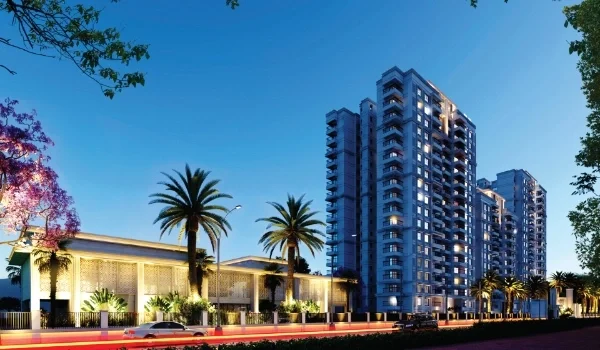
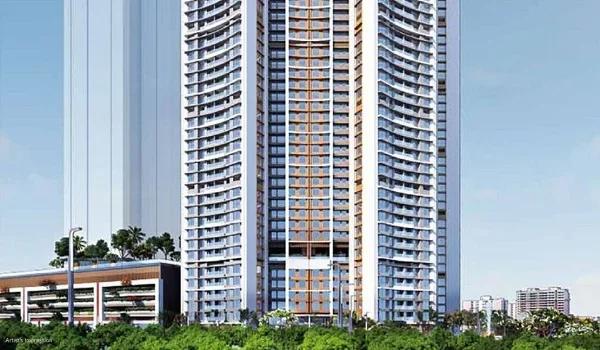
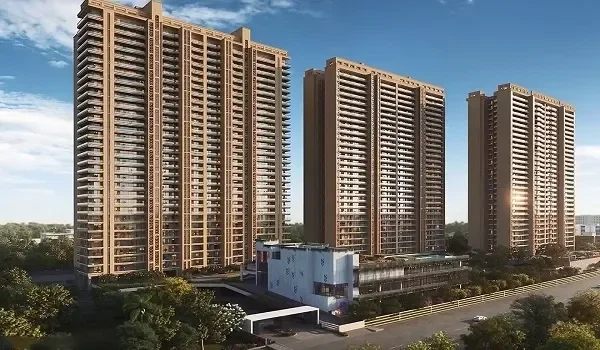
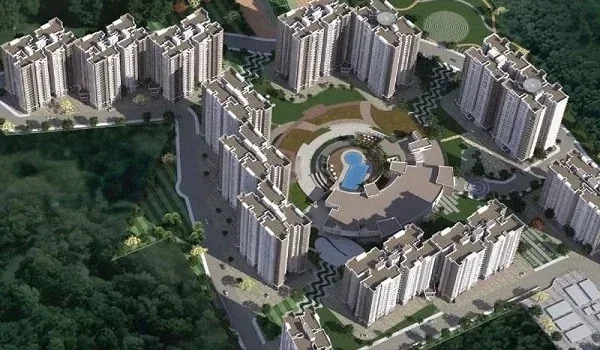
EV Charging in the car park at Prestige Falcon City Reserve
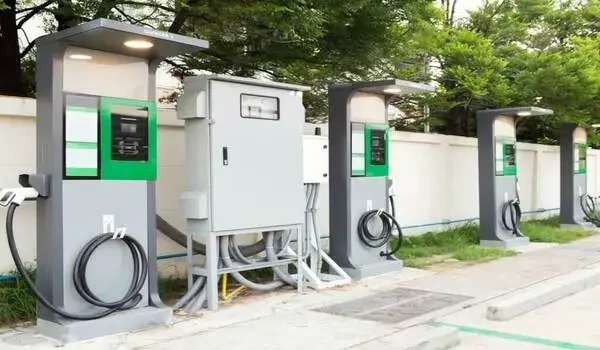
Featured Image of EV Charging in the car park at Prestige Falcon City Reserve


EV charging in the car park at Prestige Falcon City Reserve on Kanakapura Road links to Prestige's green focus and Karnataka's rules. The project site links EV charge spots with Prestige's green projects. National building rules ask new residential projects to set aside 20% of parking for EV charging. So you can plan for an EV here, using a shared charger or one in your own slot.
EV Charging Rules for New Bangalore Buildings


Three sets of rules shape EV charging in new Bengaluru apartments. Together, they explain why large projects now plan for chargers from day one.

Rule What it says
MoHUA Model Building Bye-Laws amendment, 2019 New residential and commercial buildings must earmark 20% of parking for EV charging
Karnataka Model Building (Amendment) Bye-Laws, 2021 draft Charging infrastructure in 20% of the total parking spaces required
KERC order, August 2019 Buildings with 250 kW load and over 5,000 sq m built-up area need at least two charging points

The KERC order also lets owners with an allotted slot install a charger on their existing sanctioned load. Where a home has no fixed slot, the owner uses chargers in the common area.

The Bureau of Indian Standards has also proposed National Building Code changes on EV charging in residential basements. Check the latest rules before you install a charger in a basement slot.
Shared Chargers or Per-Slot Provision at the Reserve


Large projects follow one of two models, and many use both.

  • With shared chargers, the society installs a few chargers in a common bay. Residents book a slot and pay per unit through an app or card.
  • With per-slot provision, the builder runs a power line or conduit to your bay. You fix your own wall charger and pay through your meter.

Ask Prestige which model the Reserve plans, and how many bays get EV provision. Also confirm whether your allotted slot falls within the EV-ready share.

Who Pays for Installation


The cost splits between the builder, the society and you.

  • The builder handles the base cabling, panels and the EV-ready share of bays.
  • The society pays for shared chargers and recovers the cost through usage fees.
  • You pay for a private charger in your own slot, plus its fitting.

Current market prices for home chargers are easy to compare. A 3.3 kW smart charger starts at about ₹5,000. A 7.4 kW wall charger costs about ₹25,000 to ₹35,000. Fitting adds more if the cable run is long.

Power Load Matters More Than You Think


The Reserve specification sets a power load of about 4 kW for a 2 BHK. It allows about 6 kW for a 3 BHK and about 8 kW for a 4 BHK.

This number decides which charger you can use without a load upgrade.

Home type Power load (spec) Charger that fits best
2 BHK About 4 kW 3.3 kW charger, used at night
3 BHK About 6 kW 3.3 kW charger, or 7.4 kW after a load upgrade
4 BHK About 8 kW 7.4 kW charger, with care on peak use

A 7.4 kW charger on a 4 kW or 6 kW load can trip the supply when your ACs run. So either charge at night with a 3.3 kW unit, or apply to BESCOM for a higher sanctioned load.

Metering and Billing


You can bill EV charging in one of three ways at an apartment like the Reserve.

  • Through your own meter, the charger draws from your flat's meter, and the cost joins your monthly power bill.
  • With a sub-meter, the society fits a sub-meter on your charger and bills you each month.
  • Through a separate EV connection, community chargers can use BESCOM's lower EV tariff category.

Shared chargers usually run on apps that track each session. You pay per unit, and the society can add a small margin to recover its setup cost.
Tips for EV Owners at the Reserve


A few steps now will save you trouble after you move in.
  • Ask for an EV-ready slot in writing before you sign the agreement for sale.
  • Check the distance from your slot to the tower's electrical room.
  • Confirm your car's on-board charger limit before you buy a 7.4 kW wall unit.
  • Choose a BIS-certified charger and use a licensed electrician.
  • Join the owners' association early, so you have a say in shared charger plans.

Many Indian EVs cap AC charging at 7.2 kW to 7.4 kW. So a costly 11 kW or 22 kW wall box brings no real gain for most cars.

Why EV Readiness Adds Value at the Reserve


The Reserve sits on Kanakapura Main Road, opposite Konanakunte Cross metro and next to Forum South Bengaluru. Residents who drive short daily trips to JP Nagar or Jayanagar suit EVs well. Overnight home charging covers these distances with ease.

EV readiness will also matter at resale, as more buyers in Bengaluru switch to electric cars. See how parking, power backup and security fit together on the Prestige Falcon City Reserve amenities page. For green features such as rainwater capture, read about eco-friendly Prestige apartment projects on Kanakapura Road.

FAQs


1. Does Prestige Falcon City Reserve have EV charging?

The project site links EV charge spots with Prestige's green projects. National rules also ask new homes to keep 20% of parking EV-ready. Ask Prestige how many bays at the Reserve get charging provision.

2. Can I install an EV charger in my parking slot?

Yes, KERC rules let owners with an allotted slot install a charger on their existing sanctioned load. Get a written approval from the society before you begin. Use a BIS-certified charger and a licensed electrician.

3. How much does an EV charger cost in Bangalore?

A 3.3 kW smart charger starts at about ₹5,000. A 7.4 kW wall charger costs about ₹25,000 to ₹35,000. Fitting costs rise with the length of the cable run.

4. Which EV charger suits a 2 BHK at Prestige Falcon City Reserve?

A 2 BHK at the Reserve carries a power load of about 4 kW. A 3.3 kW charger used at night fits this load best. For a 7.4 kW unit, apply to BESCOM for a higher load.

5. How is EV charging billed in an apartment?

You can charge through your own meter, a sub-meter or a shared society charger. Shared chargers bill per unit through an app. BESCOM also offers a separate EV tariff for community charging stations.

6. What percentage of parking must be EV-ready in new apartments?

The 2019 amendment to the Model Building Bye-Laws asks for 20% of parking spaces. Karnataka's 2021 draft bye-laws use the same 20% share. Check the Reserve RERA filing for its exact EV provision.

Prestige Falcon City Reserve Blog


Enquiry
Enquire Now